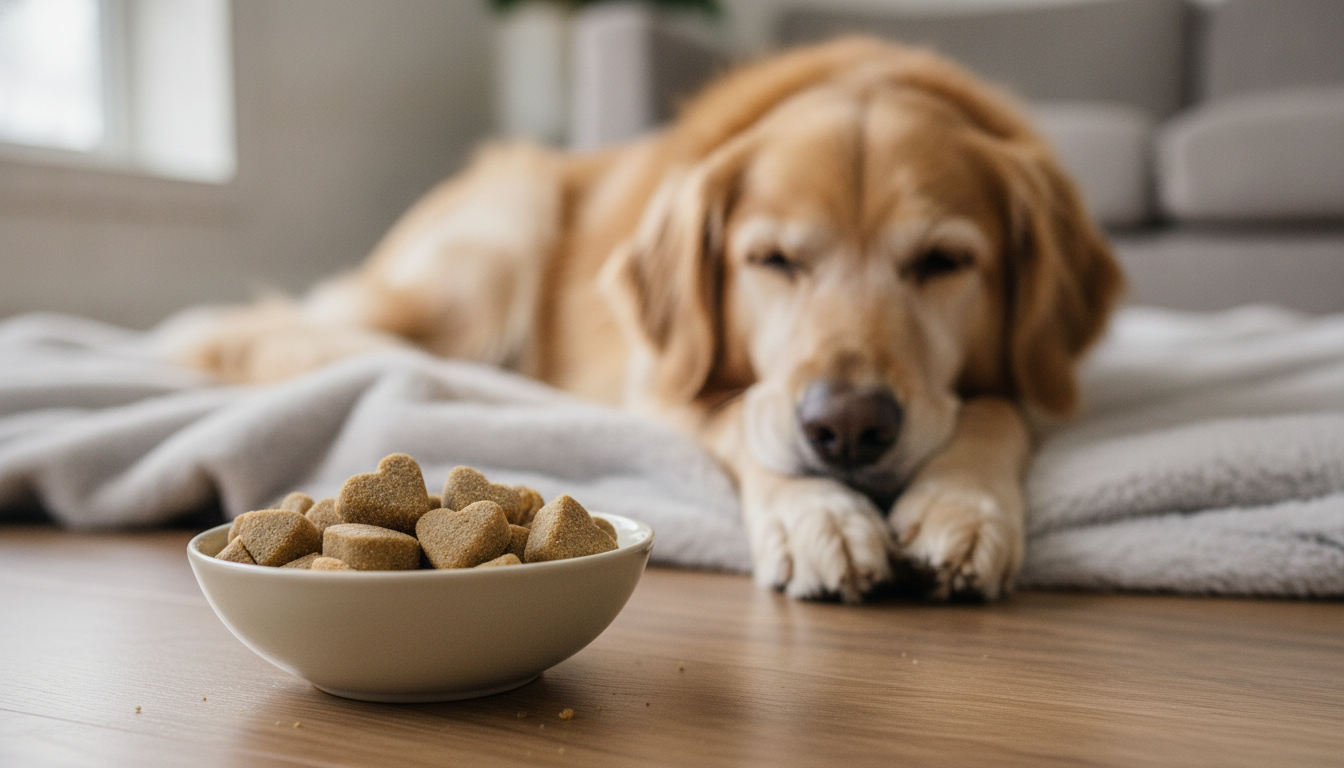
Calm Paws products are generally designed to be safe for dogs when they’re used exactly as directed and chosen for your dog’s size, age, and health needs. Safety depends less on the brand name and more on the specific format (chew, treat, collar, spray, diffuser, or supplement) and what ingredients are used to create the calming effect.
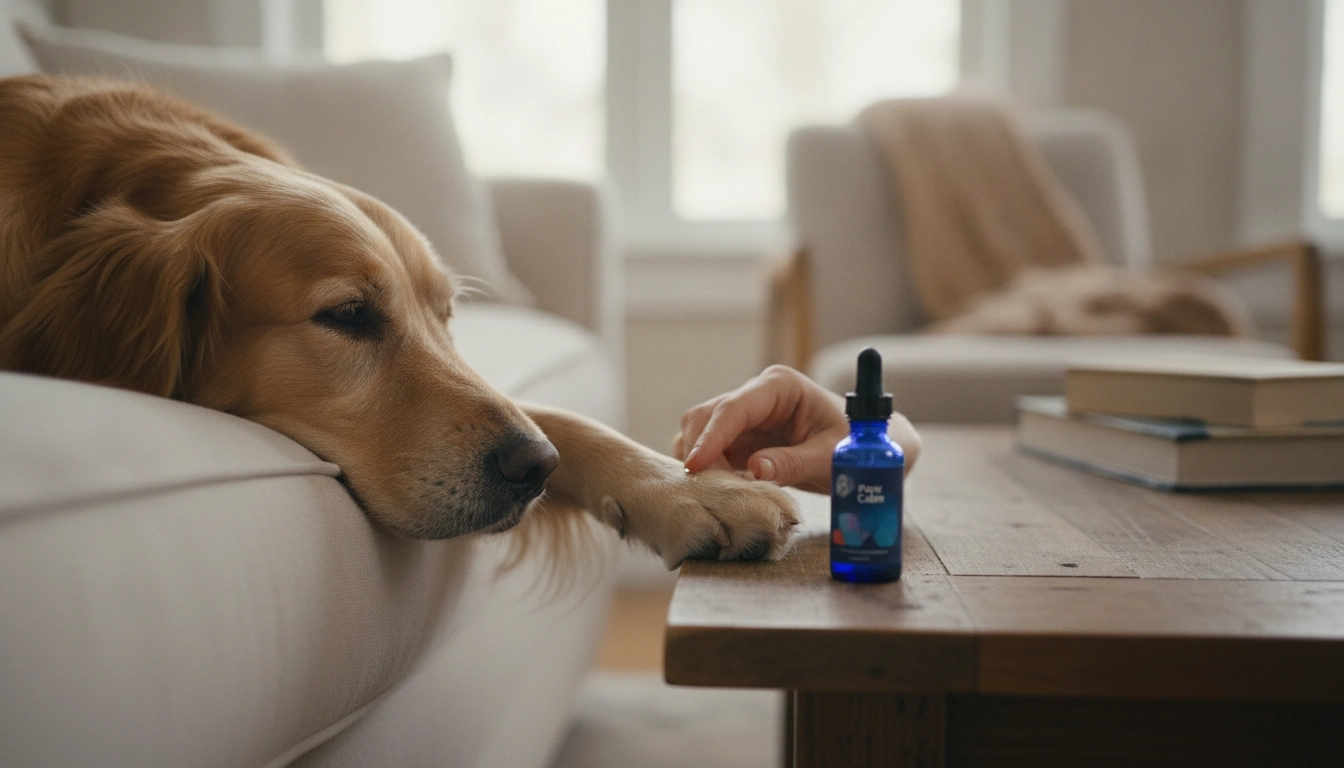
Start by reading the full label and looking for a clear ingredient list, dosing instructions by weight, and cautions for puppies, seniors, pregnant/nursing dogs, or pets on medications. Many calming products rely on ingredients such as L-theanine, chamomile, valerian, tryptophan, or pheromones. These are commonly used, but any dog can react differently—especially dogs with liver/kidney disease, seizure history, or dogs taking sedatives, anxiety meds, or certain pain medications.
To use Calm Paws more safely, introduce it when your dog is already calm (not during a full panic moment), begin with the lowest recommended amount, and watch closely for side effects. Mild sleepiness can happen, but stop use and contact your veterinarian if you notice vomiting, diarrhea, agitation, wobbliness, excessive sedation, or changes in breathing. For collars, check the neck daily for redness or hair loss, ensure a proper fit, and remove it if skin irritation appears.
If your dog’s stress is tied to travel, guests, fireworks, or holiday disruptions, pairing a calming product with predictable routines and a quiet “safe zone” can reduce the need for heavier interventions. For more practical tips on calming dogs (and cats) during busy seasons, see this stress-free holiday pet care guide.
For Is Calm Paws Safe for Dogs? Ingredients & Side Effects, the best answer depends on fit, material, care instructions, and how the product will be used day to day.
Common warning signs include vomiting, diarrhea, restlessness, itching, or acting unusually tired or “out of it.” Discontinue the product and consult your veterinarian if symptoms are moderate, persistent, or concerning.










Leave a comment