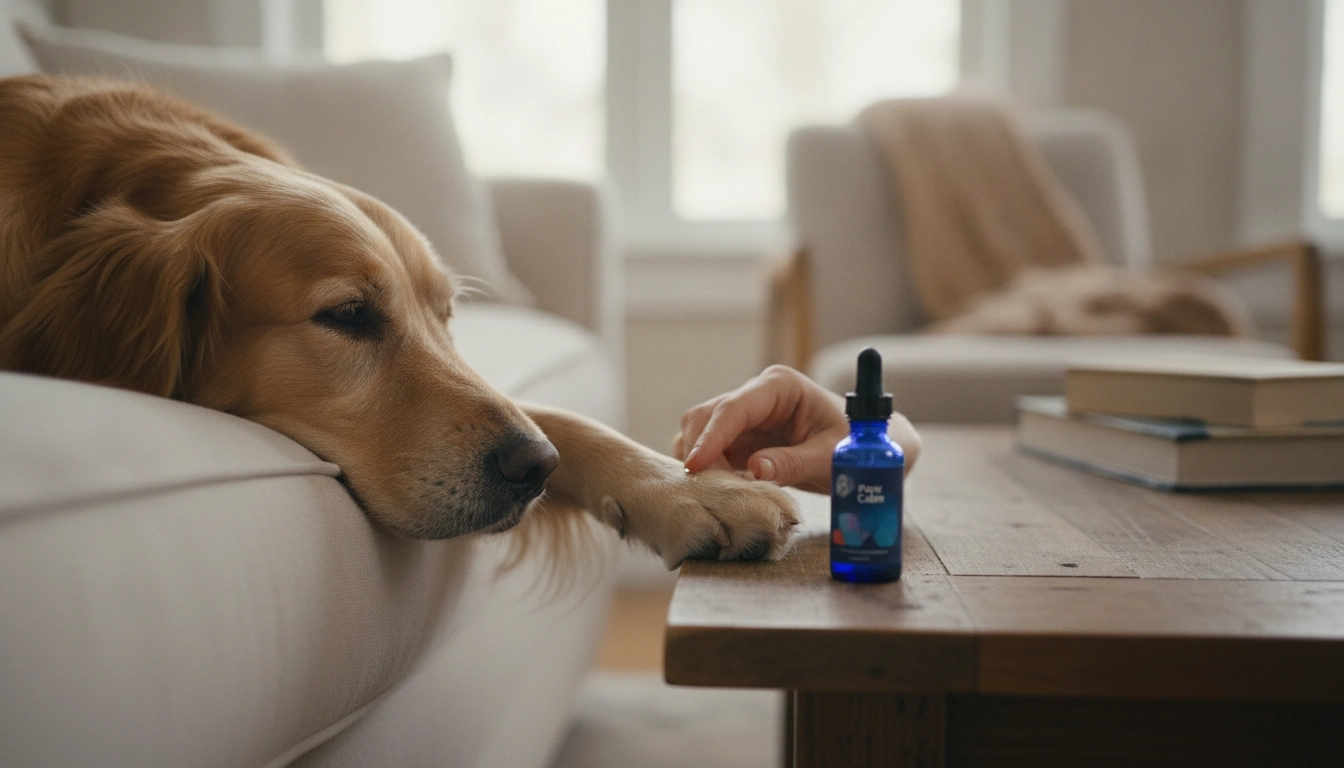
“Legit” can mean a few different things when it comes to pet-calming products: that the brand is real and reachable, that the product is safe to use as directed, and that it has a reasonable chance of helping your pet. Paw Calm can be considered legitimate if it checks the basics—clear company information, transparent ingredients, straightforward directions, and a return/refund policy you can actually find and understand.
Before buying, look for a complete ingredient list (not just “proprietary blend”), species-specific guidance (dog vs. cat), and cautions for puppies/kittens, seniors, pregnant pets, and pets with medical conditions. If Paw Calm makes big promises like “guaranteed to cure anxiety” or suggests replacing veterinary care, that’s a red flag. Reliable calming products typically frame results as support for stress and occasional situational anxiety (travel, guests, fireworks), not as a medical cure.
Confirm you’re buying from the official site or an authorized retailer. Check shipping timelines, customer support contact options, and the return policy details (time window, condition requirements, who pays return shipping).
Look for realistic claims and clear usage guidance. Reviews can help, but prioritize detailed reviews that mention the pet’s size, situation, timing, and whether the product was used consistently.
Calming aids work best when paired with routine and environment changes—quiet spaces, predictable schedules, and gradual desensitization to triggers. For practical, holiday-specific ways to reduce stress for dogs and cats, see this stress-free holiday pet care guide.
If your pet shows sudden behavior changes, self-injury, aggression, nonstop pacing, vomiting/diarrhea during stress, or severe separation distress, professional guidance matters. A vet can rule out pain or illness and recommend behavior plans or treatments that match the severity.
Create a quiet retreat area, keep feeding and walk times consistent, and use gentle enrichment like puzzle feeders or sniffing games. For noise-heavy events, add background sound and close curtains to reduce stimulation.












Leave a comment