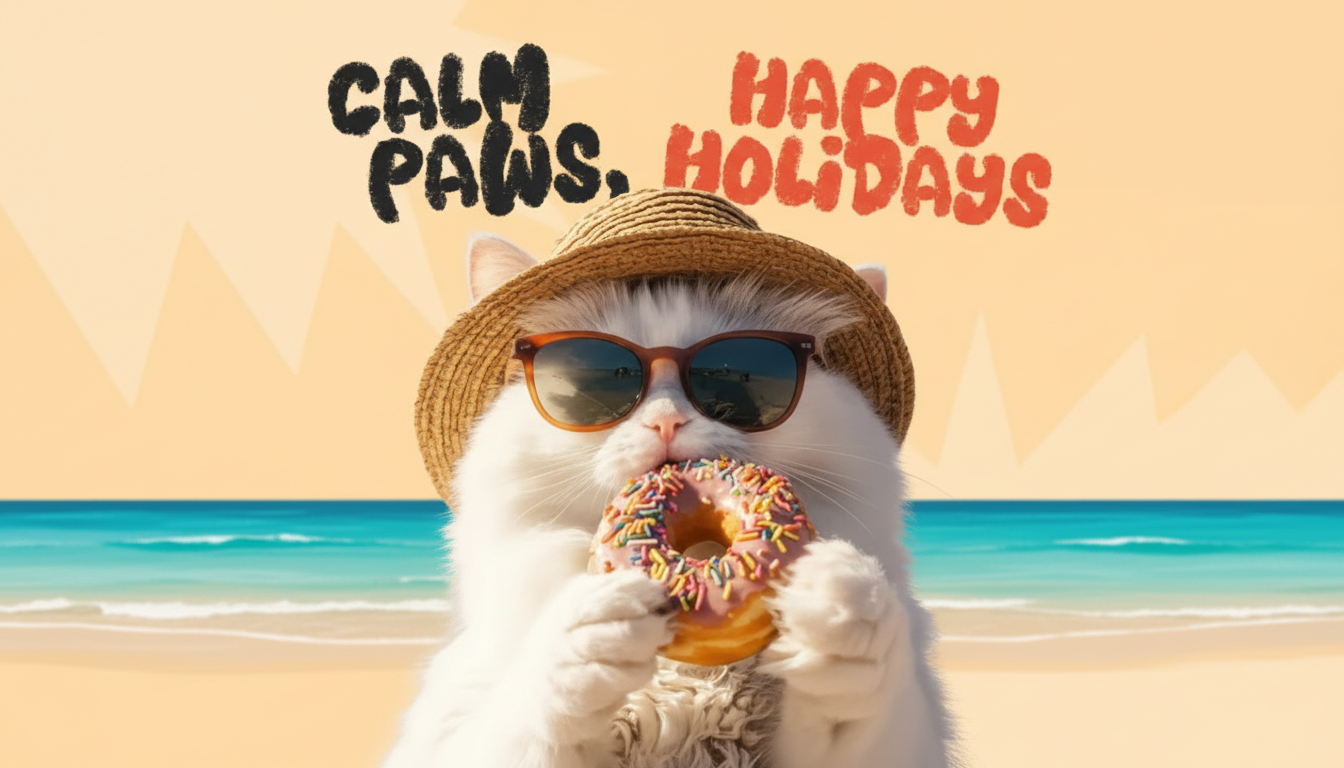
Calm Paws, Happy Holidays: A Stress-Free Guide for Pets and Their People
Holidays can be exciting for humans and overwhelming for pets—new noises, visitors, travel, rich foods, and disrupted routines. A few low-drama preparations can help dogs and cats feel safer through parties, fireworks, weather changes, and busy schedules while keeping pet parents calm and ready.
Why holidays feel stressful to pets
Most holiday stress comes from change—fast, noisy, unpredictable change.
- Routine disruption: altered walk times, feeding schedules, and sleep patterns can raise anxiety.
- Sensory overload: doorbells, guests, music, clattering dishes, costumes, and unfamiliar scents can push pets past their comfort zone.
- Unpredictable handling: well-meaning visitors may hug, pet, or crowd a pet that needs space.
- Environmental hazards: decorations, cords, candles, plants, and gift wrap create brand-new risks.
- Travel and boarding: car rides, new places, and separation can trigger stress behaviors.
Set up a calm zone before the first guest arrives
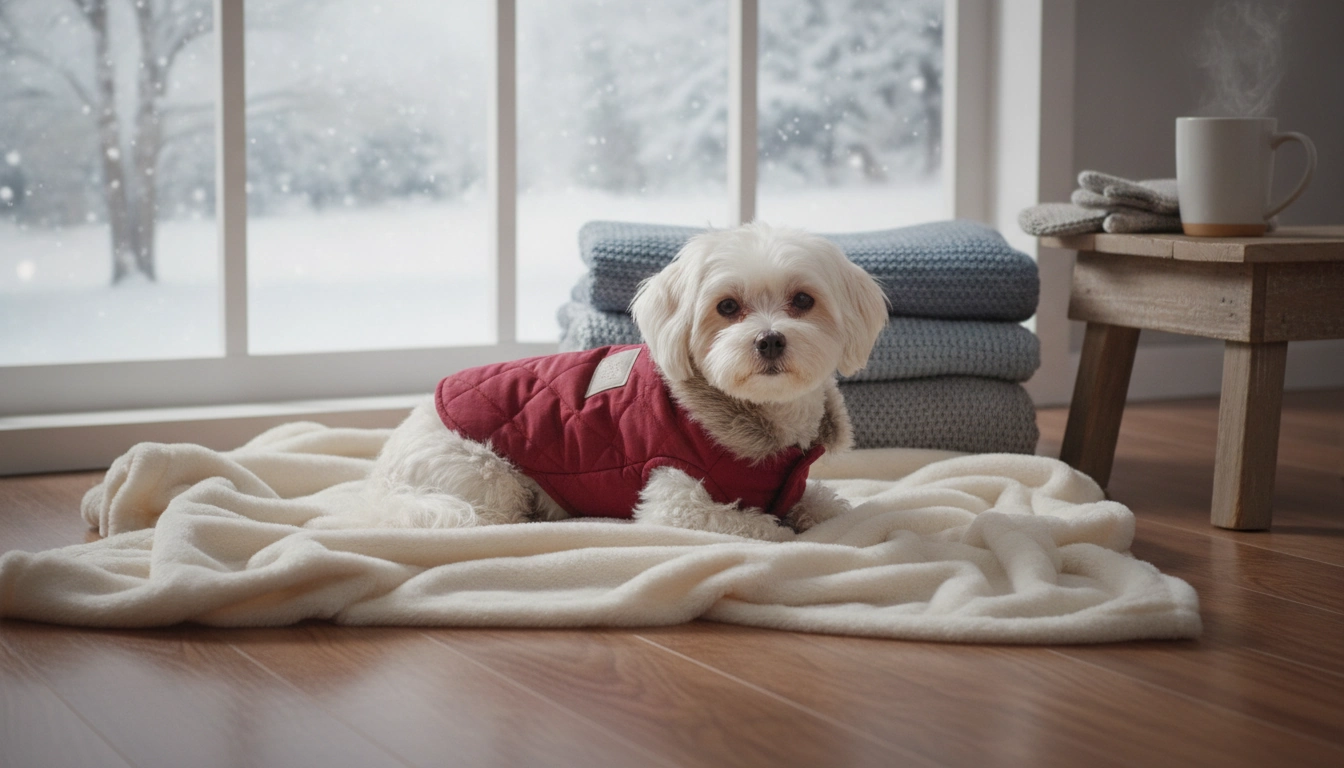
A calm zone is your best “quiet insurance policy.” The goal is not isolation—it’s giving your pet a predictable, safe retreat.
- Choose a quiet room or corner away from entryways and food prep areas.
- Add familiar bedding and an item that smells like home; keep lighting soft and predictable.
- Use gentle sound masking (white noise or calm music) to reduce startling sounds.
- Provide enrichment that is safe and long-lasting (stuffed food toy, snuffle mat, chew).
- Post a simple “pet resting” note on the door so visitors understand boundaries.
If you want a reusable, step-by-step setup you can pull out each season, the Calm Paws, Happy Holidays: A Stress-Free Guide for Pets and Their People – Holiday Pet Care eBook is designed to function like a practical planning companion—less guessing, more calm.
Visitor and party plan: reduce pressure, prevent escapes
For many pets, the hardest moment is the “front door surge.” Plan for arrivals like you’d plan for a toddler near an open gate: assume curiosity and adrenaline.
- Practice a door routine: pet behind a gate or in the calm zone before the door opens.
- Use a leash or harness for greeting practice; reward calm behavior, end interactions early.
- Give guests clear instructions: no chasing, no hugs, no face-to-face leaning, offer treats only if approved.
- Consider a visual barrier (baby gate, exercise pen) to create space without isolation.
- Use ID and safety backups: collar tag, microchip details updated, and a recent photo handy.
Quick holiday stress check
| Situation |
Common pet signal |
Simple response |
| Doorbell and arrivals |
Barking, bolting, pacing |
Pre-door containment + treats for settling |
| Crowded living room |
Lip licking, turning away, hiding |
Move to calm zone + ask guests to ignore pet |
| Kids running and squealing |
Startle, freezing, growling |
Separate spaces + supervised interactions only |
| Food on tables |
Counter-surfing, scavenging |
Secure food + use closed bins + redirect to chew/toy |
| Late-night schedule |
Restlessness, whining |
Keep bedtime routine + short decompression walk/play |
Food, treats, and toxic risks around celebrations
Many holiday ER visits start with “they only grabbed it for a second.” Make it easy for everyone to do the right thing.
- Keep rich foods and bones out of reach; sudden diet changes can cause vomiting or diarrhea.
- Watch for dangerous items: chocolate, grapes/raisins, xylitol-sweetened products, alcohol, cooked bones, onion/garlic heavy foods.
- Use a designated “safe treat cup” so guests can offer approved options only.
- Store trash in a lidded bin; secure compost and leftovers immediately.
- If a pet gets into something unsafe, contact a veterinarian or a poison helpline promptly.
For trusted reference guidance, see ASPCA Animal Poison Control and the AVMA holiday safety tips.
Decorations and winter hazards to pet-proof
Decorating can be pet-safe without feeling sterile—think “up, blocked, or supervised.”
- Cords, lights, and batteries: bundle and elevate; button batteries are especially dangerous if swallowed.
- Candles and fireplaces: use barriers and never leave open flames unattended around pets.
- Tree and plant safety: block access to tree water; avoid toxic plants where possible and supervise chewing-prone pets.
- Small ornaments and hooks: place high or skip fragile items if a pet is curious or playful.
- Salt and ice melt: wipe paws after walks; choose pet-safer products when possible.
Additional hazard reminders are available through AAHA’s holiday hazards for pets.
Travel, boarding, and house-sitting: a low-stress checklist
Travel stress drops when the essentials are consistent: familiar smells, predictable breaks, and clear instructions for helpers.
Fireworks and loud-weather days: calming steps that don’t add drama
For a fast, printable response plan during storms and booms, keep Thunderstorm Anxiety in Pets: Quick-Action Checklist saved on your phone or posted on the fridge.
Practice calm skills in the weeks leading up to the holidays
A ready-to-use holiday plan for pet parents
Holiday Pet Care eBook: Calm Paws, Happy Holidays
Find it here: Calm Paws, Happy Holidays: A Stress-Free Guide for Pets and Their People – Holiday Pet Care eBook.
FAQ
How can a pet be kept calm when guests come over?
Set up a calm zone ahead of time, contain your pet before opening the door, and reward relaxed behavior. Give guests simple rules (no hugging, no chasing, no crowding) and end greetings early so your pet never has to “get upset” to get space.
What holiday foods are most dangerous for dogs and cats?
Chocolate, grapes/raisins, xylitol-sweetened items, alcohol, cooked bones, fatty foods, and onion/garlic-heavy dishes are common dangers. If ingestion happens, contact a veterinarian or poison helpline right away rather than waiting for symptoms.
Should a veterinarian be contacted for noise phobia or severe anxiety?
Yes—especially if your pet trembles, pants heavily, tries to escape, won’t eat, or can’t settle for hours during noise events. Early planning helps, and a veterinarian can support a tailored approach that may include behavior strategies and other appropriate options.
Recommended for you









Leave a comment