
The best collar to prevent escape is a properly fitted martingale collar (also called a limited-slip collar), especially for dogs with narrow heads, thick neck fur, or a habit of backing out of standard flat collars. A martingale tightens only to a preset limit when the dog pulls, helping keep the collar from sliding over the head without choking like a full slip chain.
For most “back-out” escape attempts, a martingale made of sturdy nylon with a metal (or high-grade hardware) control loop is the go-to choice. It provides extra security during sudden lunges and reverse-pulling without relying on constant pressure on the throat.
Fit matters as much as collar style. Adjust a martingale so that when it tightens, it’s snug but not pinching—you should still be able to slide two fingers under the collar. When relaxed, it should sit comfortably high on the neck (behind the ears) without drooping toward the shoulders, where slipping out is easier.
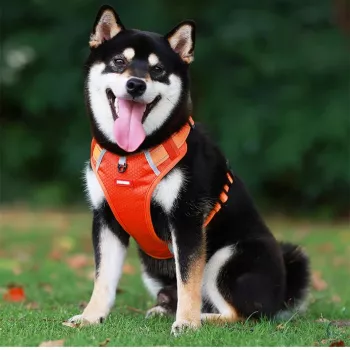
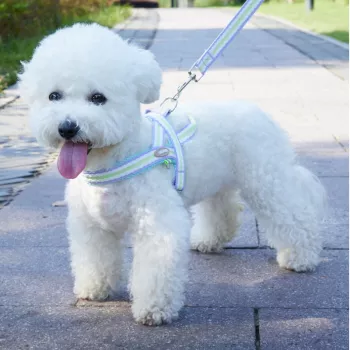
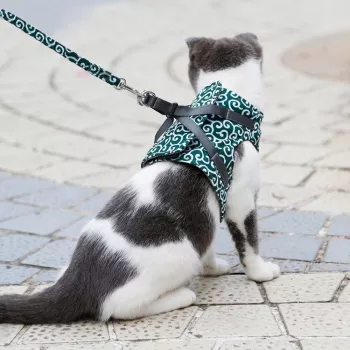
Some dogs can still wriggle out of collars even with the right fit—especially fearful dogs that pancake and reverse. In those cases, a well-fitted, escape-resistant harness (often a three-strap “security” harness) can be safer, and pairing it with a martingale as a backup attachment adds redundancy.
Use a strong leash and consider a double-connection setup (leash to collar plus a safety strap to harness). Also check hardware regularly for bent D-rings, worn stitching, or cracked buckles. For a deeper breakdown of collar options, fitting tips, and safety notes, see the full guide here.
Measure around the widest part of the head (usually just in front of the ears) and the neck high up behind the ears. Choose a size where the neck measurement sits within the collar’s adjustment range so it can snug safely when tightened.







Leave a comment