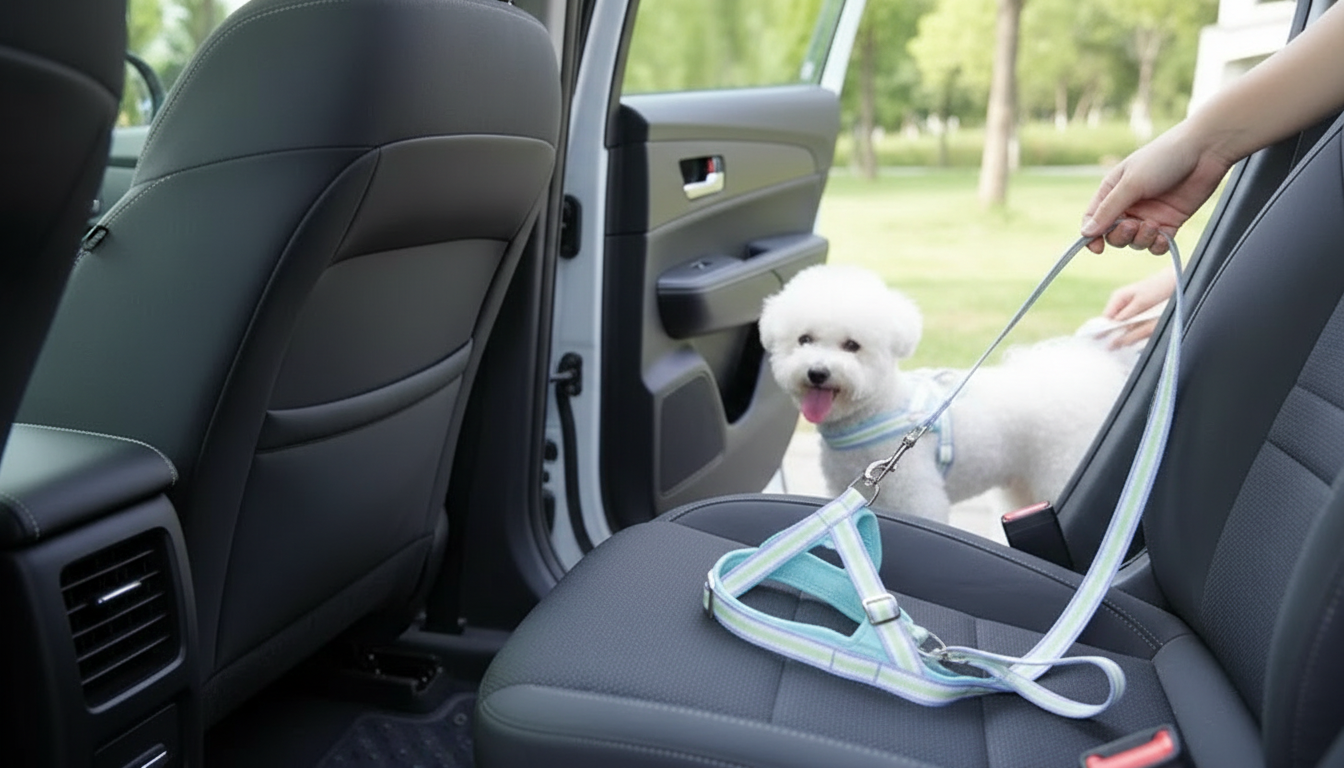
Yes—some no-pull harnesses really do work, but only when the design matches how your dog moves and you use it correctly. A well-made no-pull harness reduces the reward of pulling by redirecting your dog’s chest and shoulders, making it harder to lean into the leash like they can with a standard back-clip harness. It won’t “turn off” pulling instantly, but it can make walks noticeably more manageable and safer for your hands, wrists, and shoulders.
The most consistently effective style for many dogs is a front-clip harness (or a dual-clip model that lets you use the front ring). When your dog surges forward, the front attachment gently turns their body toward you, breaking the straight-line drive that fuels pulling. Some dogs respond even better when you use a double-ended leash clipped to both the front and back points—this adds stability while still discouraging lunging.
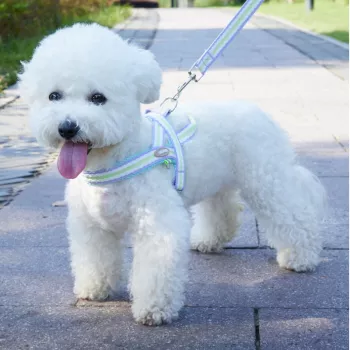
Fit matters as much as features. The chest strap should sit across the breastbone (not creeping up into the throat), and the shoulder area should allow full range of motion without rubbing the armpits. A harness that’s too loose lets a dog twist out; too tight creates discomfort that can increase frustration and pulling. Look for adjustable straps, secure buckles, and smooth webbing or padding where it contacts the body.
For the best results, pair the harness with simple training: reward loose-leash walking, stop or change direction when the leash goes tight, and practice in low-distraction areas before tackling busy sidewalks. If pulling is driven by reactivity, prey drive, or anxiety, a harness helps with control, but behavior work is what changes the habit long-term.
For a deeper breakdown of what makes certain designs more effective (and how to use them), see the full guide here: https://joyfulfloofer.shop/is-there-a-no-pull-harness-that-really-works/.
Adjust it so it’s snug but not tight—typically you should fit two fingers under the straps. Keep the chest strap on the breastbone and check that the harness doesn’t rub the armpits or slide up toward the throat when the leash is clipped.







Leave a comment