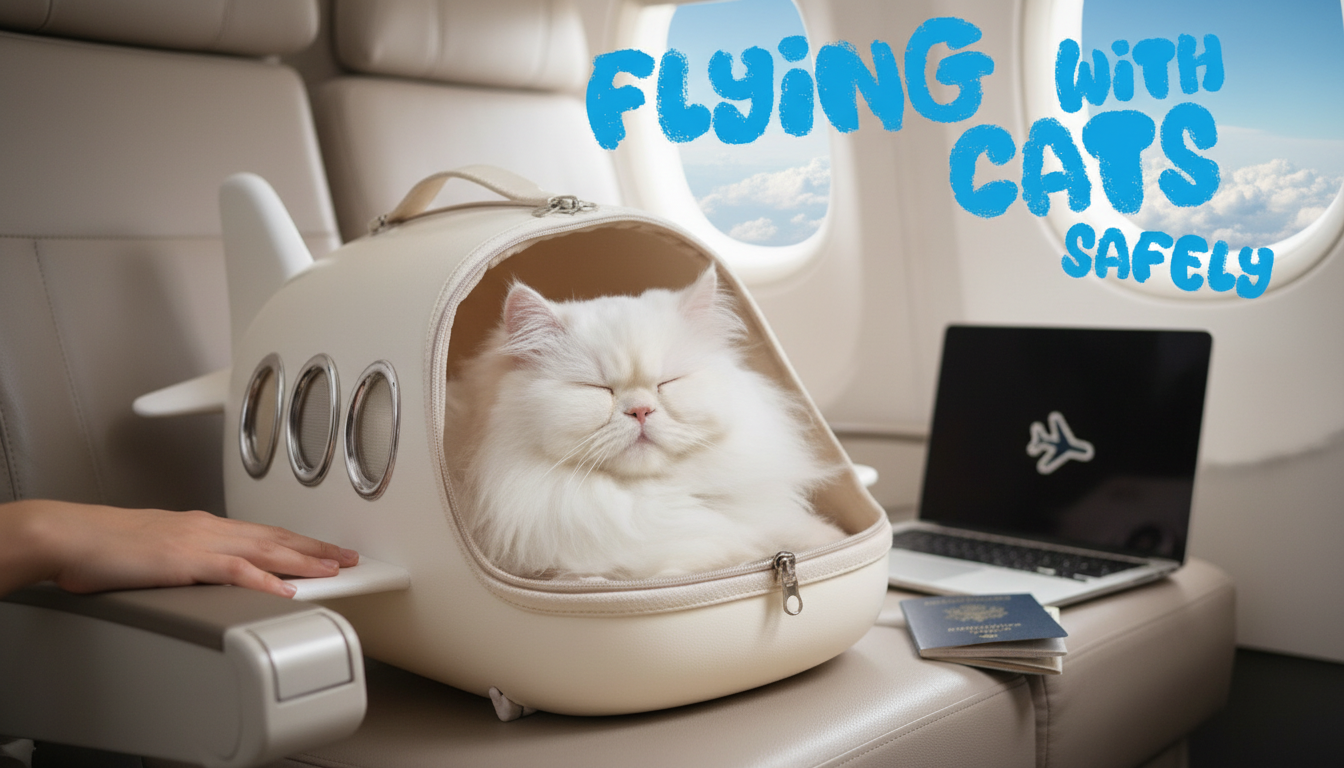
Flying with a cat can be calm and predictable with the right preparation. The goal is simple: keep your cat secure, comfortable, and minimally handled from your front door to your destination. The steps below focus on safe, airline-friendly choices—before booking, during airport time, in the cabin, and after landing—so travel feels routine instead of chaotic.
Start with the Right Travel Plan
Before you compare prices, build a plan around your cat’s needs. Small decisions (like nonstop routing and timing) often matter more than the airline brand.
- Choose cabin travel when possible; it keeps your cat near you and reduces handling plus temperature risks associated with cargo areas.
- Prefer nonstop flights and avoid tight connections to reduce rushing, loud gate changes, and the chance of missed flights.
- Pick calmer travel windows that match your cat’s quieter periods, and avoid peak heat/cold seasons when feasible.
- Verify destination entry requirements early (microchip, vaccination records, health certificates, and any quarantine rules). For U.S. entry rules and updates, check the CDC guidance on bringing pets into the United States.
Airline Rules to Confirm Before Booking
Airlines can vary by route, aircraft type, and codeshare partner—even when the flight number looks familiar. Confirm the rules in writing (or at least note the agent, date, and confirmation reference) to prevent day-of surprises.
- Confirm whether cats are allowed in-cabin on the specific route and aircraft type.
- Check carrier size limits (length/width/height) and whether soft-sided carriers are preferred.
- Ask about pet fees, pet reservations (often limited per flight), and required paperwork at check-in.
- Understand seating restrictions (some airlines restrict pets in bulkhead rows or exit rows).
- Clarify whether your itinerary includes codeshare partners with different pet policies.
Quick Airline Policy Checklist to Screenshot
| Item to confirm |
Why it matters |
What to record |
| In-cabin allowed on this route |
Prevents last-minute denials at the airport |
Confirmation number / agent name and date |
| Max carrier dimensions |
Ensures the carrier fits under the seat |
Exact L × W × H limits |
| Pet reservation cap per flight |
Pets can sell out like seats |
Pet booking reference |
| Fees and payment method |
Some fees must be paid at check-in |
Fee amount + where to pay |
| Required documents |
Avoids rebooking or quarantine issues |
List of forms + deadlines |
Vet Visit, ID, and Safety Basics
A quick check-in with your veterinarian can prevent avoidable risk—especially if your cat is older or has a known medical condition.
- Schedule a vet check to confirm fitness for travel, especially for seniors or cats with heart/respiratory conditions.
- Ensure a microchip is registered with current contact info; add a breakaway collar with an ID tag if tolerated.
- Bring copies (paper + phone photo) of vaccination records and any required health certificate.
- Discuss anxiety management with a veterinarian; avoid giving any medication without explicit vet guidance.
- Keep emergency contacts and the cat’s medical notes accessible during travel.
For general pet travel safety guidance, the American Veterinary Medical Association (AVMA) travel tips are a solid reference point.
Carrier Training That Actually Works
The carrier shouldn’t be a “surprise container” that only appears during stressful moments. Training is simply making the carrier feel like normal furniture.
- Choose a well-ventilated, escape-resistant carrier that the cat can stand up and turn around in.
- Leave the carrier out at home with cozy bedding; reward the cat for exploring it voluntarily.
- Practice short “carrier sessions” (zip up, lift, walk around) and gradually add car rides to mimic travel sensations.
- Add familiar scents (a worn t-shirt or the cat’s blanket) to reduce novelty stress.
- Label the carrier with your name, phone number, and destination address.
Packing List for Airport-to-Hotel Comfort
Pack for the most common friction points: bathroom needs, hydration, and keeping your cat covered and contained in high-traffic areas.
- Bring pee pads, a small pack of wipes, and spare bedding in case of accidents.
- Pack a collapsible bowl and a small bottle of water; offer small sips when settled rather than frequent big drinks.
- Include a few small treats and a measured portion of food; avoid a large meal right before the flight.
- Carry a harness and leash for secure handling if the cat must exit the carrier during screening.
- Bring a lightweight towel or carrier cover to reduce visual stimulation in noisy areas.
Airport Security Without Escapes
Security is the moment many cat travelers worry about most. A simple, repeatable routine helps you stay calm and reduces the chance of a bolt.
Rules and procedures can change by airport, so it’s worth reviewing the TSA guidance on traveling with pets before your travel day.
In-Flight Calm: What Helps Most
After Landing: Smooth Recovery and Routine
Printable Planning Support for Cat Flights
If you want a ready-to-use guide you can save, print, and reuse, consider Tips for Flying with Cats Safely: Your Essential Guide for Stress-Free Travel with Cats.
For cats who struggle with noise sensitivity (airport announcements, takeoff, or travel-day storms), Thunderstorm Anxiety in Pets: Quick-Action Checklist can be a helpful companion plan to keep calming steps consistent.
FAQ
Should a cat be fed before a flight?
Offer a light meal several hours before departure and avoid a large meal right before flying. Keep treats small, and follow your veterinarian’s guidance if your cat is prone to nausea.
Can a cat use the litter box during air travel?
Most cats won’t use a litter box in the cabin. Line the carrier with absorbent pads, pack spares, and for long layovers use a private restroom for a quick check while keeping your cat securely harnessed.
Is sedation safe for flying with cats?
Avoid unsupervised sedation. It should only be used if a veterinarian specifically recommends it after evaluating your cat’s health and your exact travel details.
Recommended for you










Leave a comment