
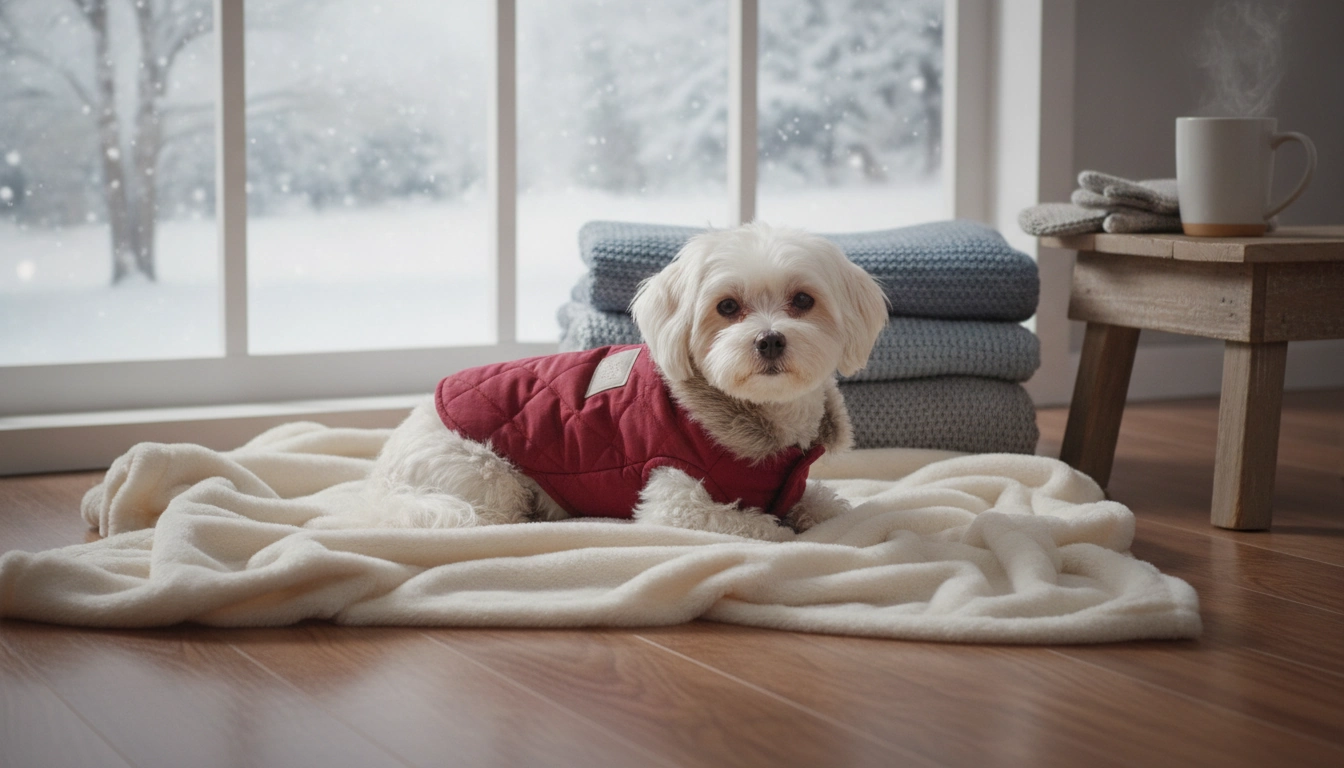
The warmest winter coat for dogs is one that blocks wind, traps body heat with real insulation, and stays snug over the core without restricting movement. For most cold-weather walks, a well-insulated, wind-resistant coat that covers the chest and belly will outperform thin sweaters—especially when temperatures drop, wind picks up, or your dog is standing still on snow or ice.
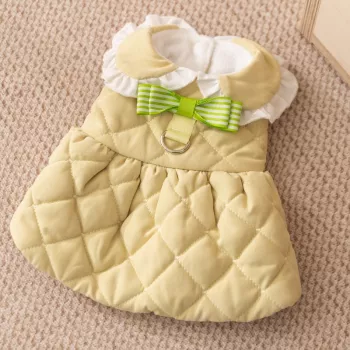
Warmth comes from a few features working together: an insulated layer (like quilted fill), a tight weave or weather-resistant outer shell to cut wind, and coverage that protects heat-loss zones (neck, chest, belly, and hindquarters). A coat that shifts, gaps at the chest, or leaves the belly exposed can feel much colder than a slightly thinner option that fits correctly.
For deep winter conditions, full-coverage designs—such as 4-leg snowsuits/jumpsuits—often provide the most warmth because they protect the legs and keep snow from packing into fur. Puffer-style jackets can be very warm for dogs who tolerate them, but they work best when the chest and belly panels fit closely and the outer layer blocks wind. For wet snow, look for a shell that sheds moisture so insulation doesn’t get heavy or chilly.
If your dog gets cold quickly, has shorter fur, or hates snow sticking to their legs and belly, a 4-leg jumpsuit can be a top-tier warm option. It’s also helpful for long walks and play sessions where full coverage prevents heat loss over time. For a closer look at a warm, full-coverage winter fit, see this guide: https://joyfulfloofer.shop/guide-yellow-corduroy-dog-jumpsuit-warm-4-leg-winter-fit/.
Choose insulation plus wind protection, prioritize chest and belly coverage, and make sure closures keep the coat snug without rubbing. If your dog shivers, lifts paws, or tries to head back inside quickly, upgrade to more insulation or a fuller-coverage style.
Signs include shivering, reluctance to walk, lifting paws frequently, or seeking shelter quickly. Dogs with short coats, low body fat, seniors, and small breeds often need a coat sooner than thick-coated dogs.








Leave a comment