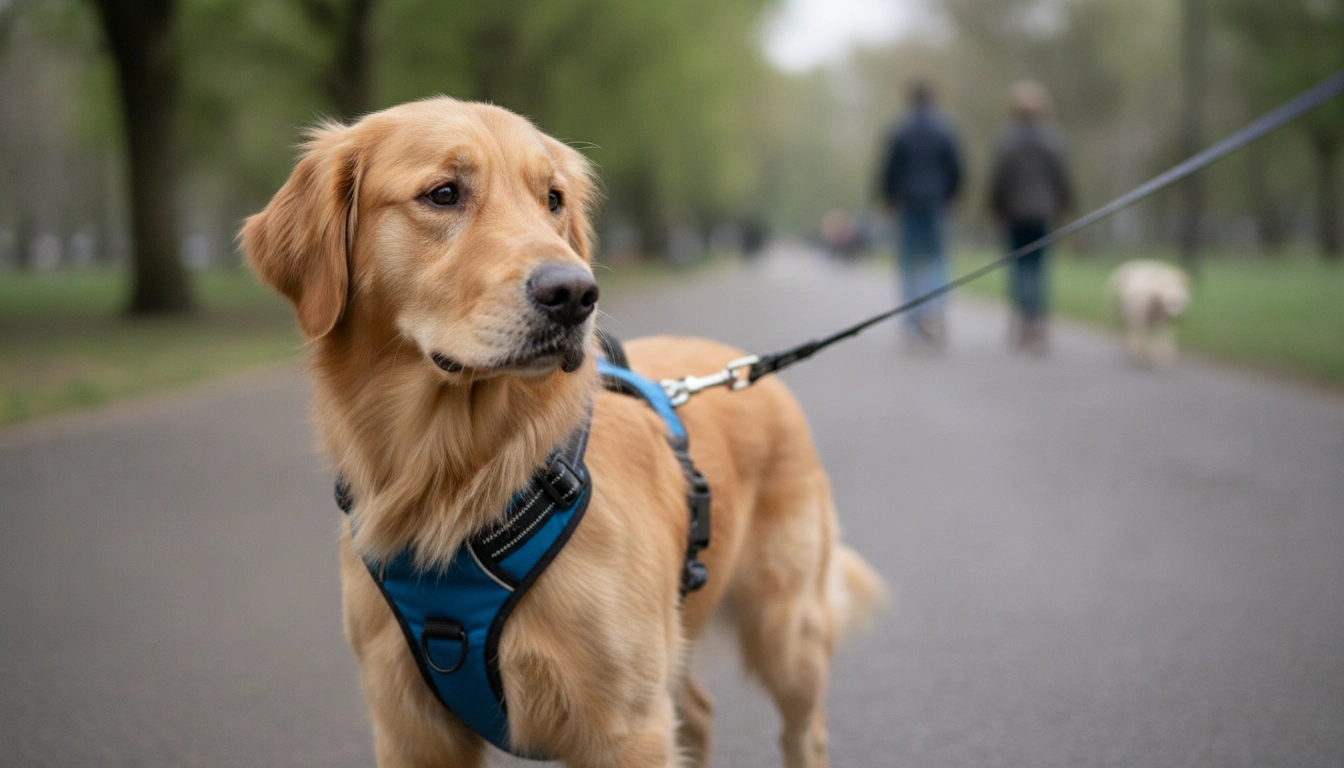
Yes—no-pull harnesses can be very good, especially for dogs that surge forward, lunge, or drag their handler on walks. The best ones don’t “teach” loose-leash walking by themselves, but they can immediately reduce pulling by changing how force is distributed and by giving better control at the front of the dog’s body.
Most no-pull harnesses work in one of two ways: a front-clip attachment (which gently turns the dog back toward you when they pull) or a design that discourages forward drive (like a martingale-style chest loop). Compared with a collar, a well-fitted harness also reduces pressure on the throat, which can be helpful for dogs prone to coughing, gagging, or tracheal sensitivity.
A no-pull harness is often a strong choice for strong adolescent dogs, reactive dogs that need extra steering, and smaller handlers managing larger dogs. They’re also a practical “training wheels” tool while building leash manners with rewards, consistency, and appropriate outlets for energy.
Not every “no-pull” harness is comfortable for every dog. Poor fit can cause rubbing behind the front legs, restrict shoulder movement, or twist when the dog pulls. Some dogs also learn to lean into certain designs. Choosing a model with adjustable points, a Y-shaped front, and sturdy hardware helps prevent discomfort and escape attempts.
Fit matters as much as the harness style: it should sit high on the chest, allow full shoulder range, and stay snug without pinching. Pair it with reward-based leash training—mark and reward check-ins, practice turns, and reinforce walking near you—so pulling becomes unnecessary over time.
For a deeper breakdown of types, fit tips, and practical training pairings, visit https://joyfulfloofer.shop/are-no-pull-harnesses-any-good/.
They can reduce pulling right away by redirecting the dog’s body, but lasting change comes from training and consistency. Think of the front clip as added leverage, not a complete solution on its own.









Leave a comment