Zen Pets: A Fun, Easy Checklist to Help Pets Stay Calm Before Vet Visits
Vet days can bring shaking, hiding, whining, or a full refusal to enter the carrier or car. A calmer plan lowers stress for pets and makes exams safer, faster, and more effective for everyone involved. Below is a practical, printable-style checklist with simple training steps, travel tips, and clinic-day routines to help dogs and cats feel more secure before, during, and after appointments.
Why some pets panic about vet visits
Fear at the clinic usually isn’t “stubbornness”—it’s a predictable response to triggers that stack up quickly.
- Unfamiliar smells, sounds, and slippery floors can activate a fight/flight response.
- Past discomfort (shots, restraint, car nausea) can create powerful negative associations.
- Handling sensitivity matters: paws, ears, mouth, and belly touches can feel threatening without practice.
- Human tension travels down the leash through tight grips, rushed movement, and worried voices.
- Common patterns: cats often struggle most with carriers and car rides; dogs often struggle with lobby chaos and restraint.
Resources from Fear Free and the American Veterinary Medical Association (AVMA) highlight how reducing fear, anxiety, and stress can improve both welfare and care quality.
The calm-before-the-visit checklist (start 7–14 days out)
- Confirm details early: fasting instructions, vaccine records, medication list, and behavior notes to share.
- Practice “happy handling” daily (1–2 minutes): gentle ear lifts, brief lip lifts, short paw holds, then reward. Stop while your pet is still comfortable.
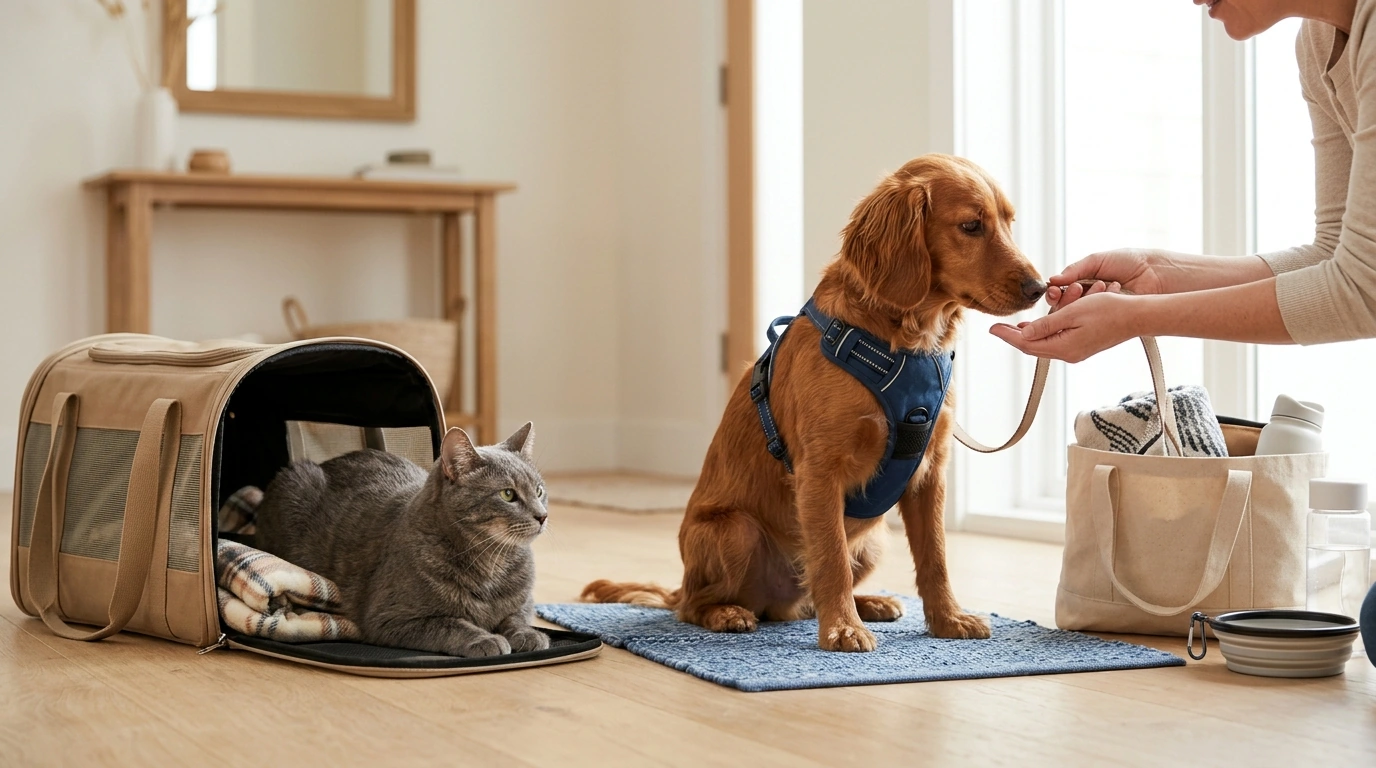
- Train a “safe station” mat/towel: treat and praise for choosing the mat; bring it to the clinic if allowed.
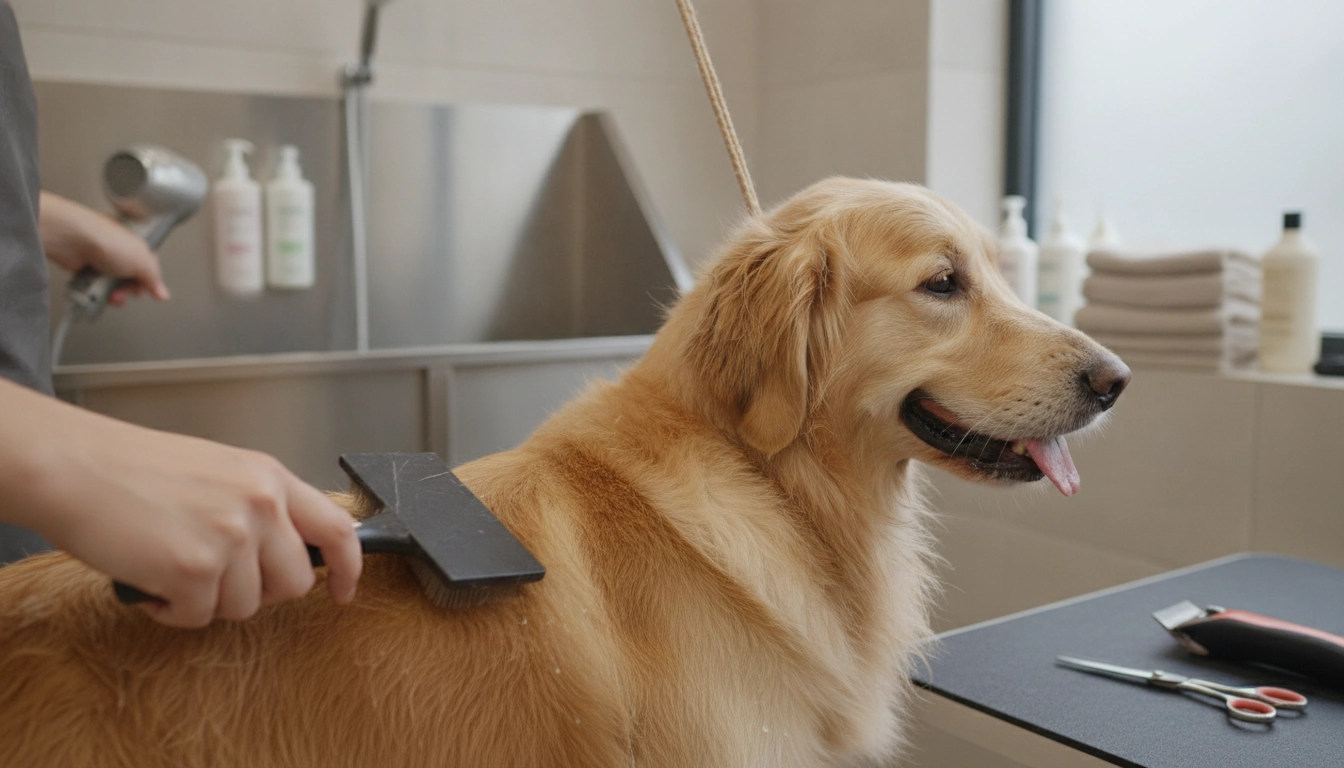
- Desensitize to tools: show a brush, nail clippers, or a capped syringe; treat; put away; repeat.
- Plan exercise and enrichment: a little extra activity the day before and morning of the visit (age/health appropriate) can reduce excess energy and edge.
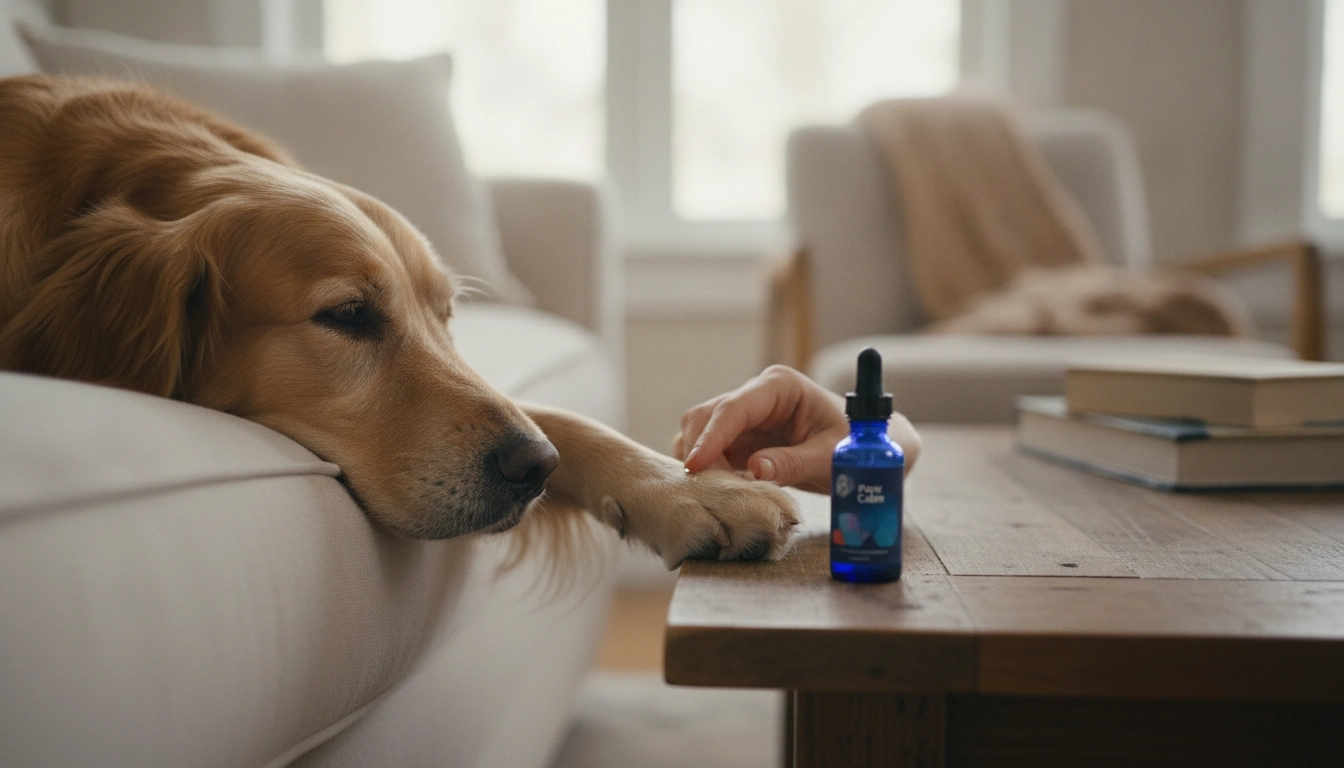
- Trial calming aids at home: pheromones, compression wear, or supplements should be tested in advance for comfort and timing.
- For cats: keep the carrier out daily with bedding and treats inside. Feed near it, then in it; close the door briefly only after comfort builds.
Two-week mini-plan for calmer vet visits
| When |
What to do |
Goal |
| Days 14–10 |
Carrier/mat set-up + treat scatter; 60–90 seconds of handling practice daily |
Build positive association with gear and touch |
| Days 9–6 |
Short car sessions (sit in parked car, then 2–5 minute drive) with rewards |
Reduce car-triggered fear or nausea cues |
| Days 5–3 |
Mock “exam” routine (lift, brief restraint, look in ears) + jackpot treats |
Increase tolerance to clinic-style handling |
| Days 2–1 |
Prepare go-bag, confirm instructions, trial calming aids if planned |
Remove last-minute stressors |
| Day of |
Calm loading, quiet arrival, reward-focused waiting plan |
Keep arousal low and predictability high |
Packing the go-bag: what to bring (and what to skip)
- High-value treats: soft, smelly options, plus a lickable treat if permitted for your pet’s situation.
- A familiar blanket/towel: for cats, covering the carrier can block visual stressors in busy areas.
- Secure leash/harness: consider a backup clip for escape-prone dogs.
- Medical notes: symptom timeline, short videos of odd behavior, and your questions for the veterinarian.
- Poop sample (only if requested): bring it fresh and stored per clinic instructions.
- Skip brand-new chews/toys in the lobby: novelty can trigger resource guarding or frustration near other pets.
Car and carrier calm: loading and travel tips that actually help
- Load early and calmly: avoid chasing. Use a treat trail into the carrier or car so your pet “chooses” forward.
- Cats: place the carrier on a stable surface, open the top/door, and guide with treats. Avoid tipping the carrier forward like a slide.
- Dogs: keep entry predictable (same door/step), and reward a calm sit before the car moves.
- Keep the ride quiet: low volume, steady temperature, and gentle driving reduce sensory overload.
- If nausea is part of the story: discuss motion-sickness management with your veterinarian ahead of time.
At the clinic: a low-drama waiting plan
During the exam: supporting cooperative care
- Share a quick stress snapshot: triggers, past reactions, and the exact rewards that work best.
- Ask for micro-breaks: a short pause can restore coping before stress turns into a full meltdown.
- Let treats do the heavy lifting: tiny continuous treats during non-painful handling (when medically appropriate) can improve tolerance.
- Avoid scolding: punishment increases fear and can make future visits harder.
- If fear or aggression is severe: ask about fear-free handling options, pre-visit pharmaceuticals, or staged visits. Guidance from the American Animal Hospital Association (AAHA) supports proactive behavior and wellness planning.
After the visit: reset and prevent next-time dread
Printable support: a ready-to-use checklist for busy pet parents
FAQ
How early should calming prep start before a vet visit?
Starting 7–14 days ahead is ideal because it gives time for carrier comfort, handling practice, and short car sessions to feel normal. Even 24–48 hours of planning and gentle practice can still reduce stress on appointment day.
What if a pet panics as soon as the carrier or car appears?
Slow the process down and rebuild the association: leave the carrier out, use treat trails, and do short “nothing happens” car sessions that end with rewards at home. If fear is intense, ask the clinic about waiting in the car or a quieter entry, and consult your veterinarian for additional support.
Are calming products safe to use before vet appointments?
Many pets do well with options like pheromones or behavior plans, but every pet is different—do a trial run at home first to confirm comfort and timing. Discuss supplements or medications with your veterinarian, especially if your pet has medical conditions or takes other medications.
Recommended for you











Leave a comment