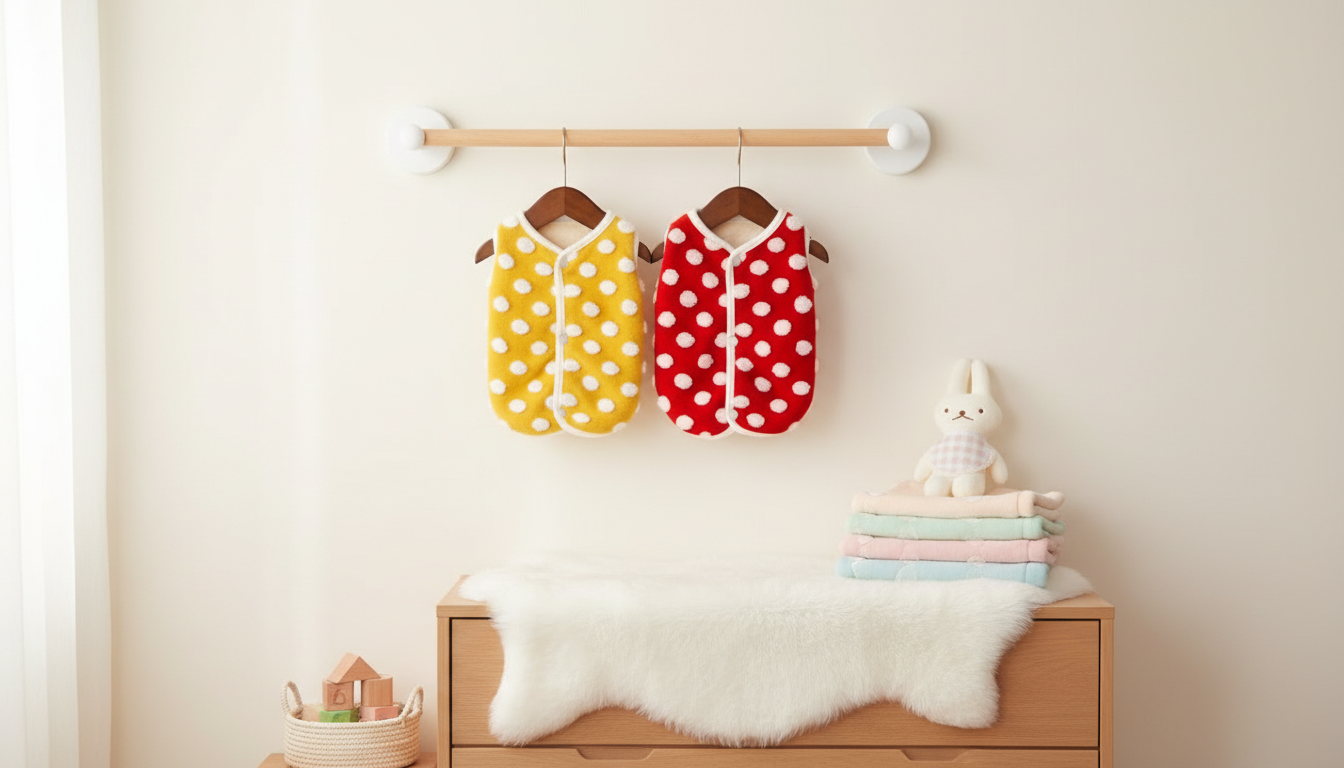
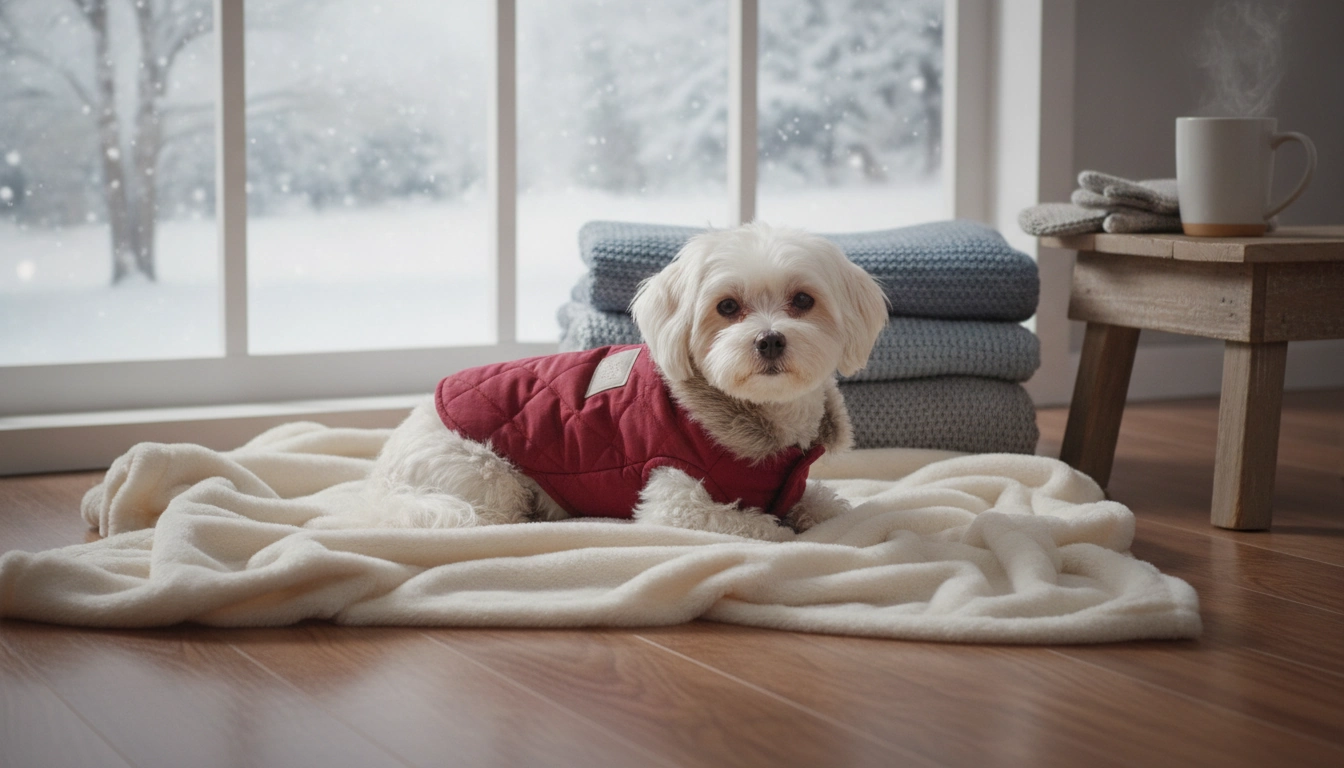
Cold days can turn quick potty breaks and short walks into shivering, rushed outings—especially for small breeds, short-haired pets, seniors, and cats that prefer warm indoor spots. A plush winter coat adds a soft thermal layer while keeping movement easy and comfortable. This polka dot style is designed to feel cozy, look playful, and help pets stay warmer during chilly weather.
A winter coat earns its spot in the closet when it keeps your pet warm without turning every step into a struggle. Cozy isn’t just about softness—it’s about a fit and feel that encourages your pet to move normally, breathe comfortably, and tolerate getting dressed without a wrestling match.
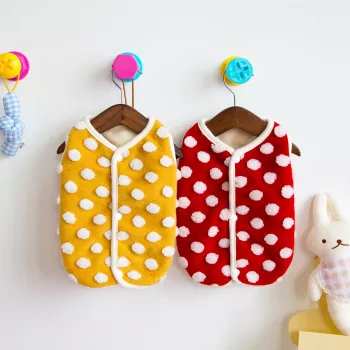
If you want a cold-weather layer that looks cute without feeling like heavy “gear,” the Cozy Polka Dot Plush Dog & Cat Winter Coat keeps things simple: soft plush warmth, playful dots, and everyday usability for both dogs and cats. It’s an easy add-on for chilly errands, quick walks, and even indoor lounging when the house feels drafty.
| Detail | Info |
|---|---|
| Product | Cozy Polka Dot Plush Dog & Cat Winter Coat |
| Price | $9.82 USD |
| Availability | In stock |
| Best for | Small dogs, short-haired pets, indoor cats that chill easily, quick winter walks |
| Product page | https://joyfulfloofer.shop/cozy-polka-dot-plush-dog-cat-winter-coat/ |
The difference between “my pet loves it” and “my pet refuses to move” is usually fit. A coat should feel secure but not tight, and it should stay in place without riding into the armpits or tugging at the neck.
Not every pet needs a coat every day, but plenty of dogs and cats appreciate an extra layer when temperatures drop—especially if they’re prone to getting cold fast.
A coat helps with body warmth, but it doesn’t make pets invincible to winter conditions. Cold still affects paws, ears, noses, and overall comfort—especially when wind, ice, and wet ground are involved. For broader cold-weather guidance, see the American Veterinary Medical Association (AVMA) cold weather safety tips and the ASPCA cold weather safety recommendations.
Measure chest girth at the widest point behind the front legs, then measure back length from the base of the neck to the base of the tail. Chest fit is usually the most important; if you’re between sizes, choose the option that fits the chest and confirm it doesn’t rub the armpits or restrict shoulder movement.
Yes for many cats, especially when the coat is lightweight, easy to put on, and doesn’t restrict movement. Introduce it in short sessions with supervision, and remove it if your cat freezes, flops, or shows signs of stress.
Coats are most helpful for small pets, short-haired breeds, seniors, and low-activity pets on cold or windy days—especially for quick outdoor breaks and short walks. If your pet shivers, hunches, lifts paws, or tries to head back inside, it’s a good sign they need warmth (or less time outdoors).







Leave a comment